
Some words in Scripture are easier to admire than to live.
Trust in the Lord and do good.
Take delight in the Lord.
Commit your way to the Lord.
Be still before the Lord.
Refrain from anger and forsake wrath.
Those admonitions from Psalm 37 sound reassuring when I read them in the quiet of the morning. Living them when I am afraid, hurt, or troubled by what is happening around me is another matter.
I have known the conflict between what others expected of me and what I was coming to understand about God, myself, and my responsibility to others. Sometimes I was so concerned about meeting those expectations that I failed to recognize what was happening within me. Fear, resentment, and the need to prove myself influenced my choices.
Some of those choices caused harm. I cannot change that history, but I can acknowledge it, seek forgiveness, and make repairs where I can. I can also learn to respond differently.
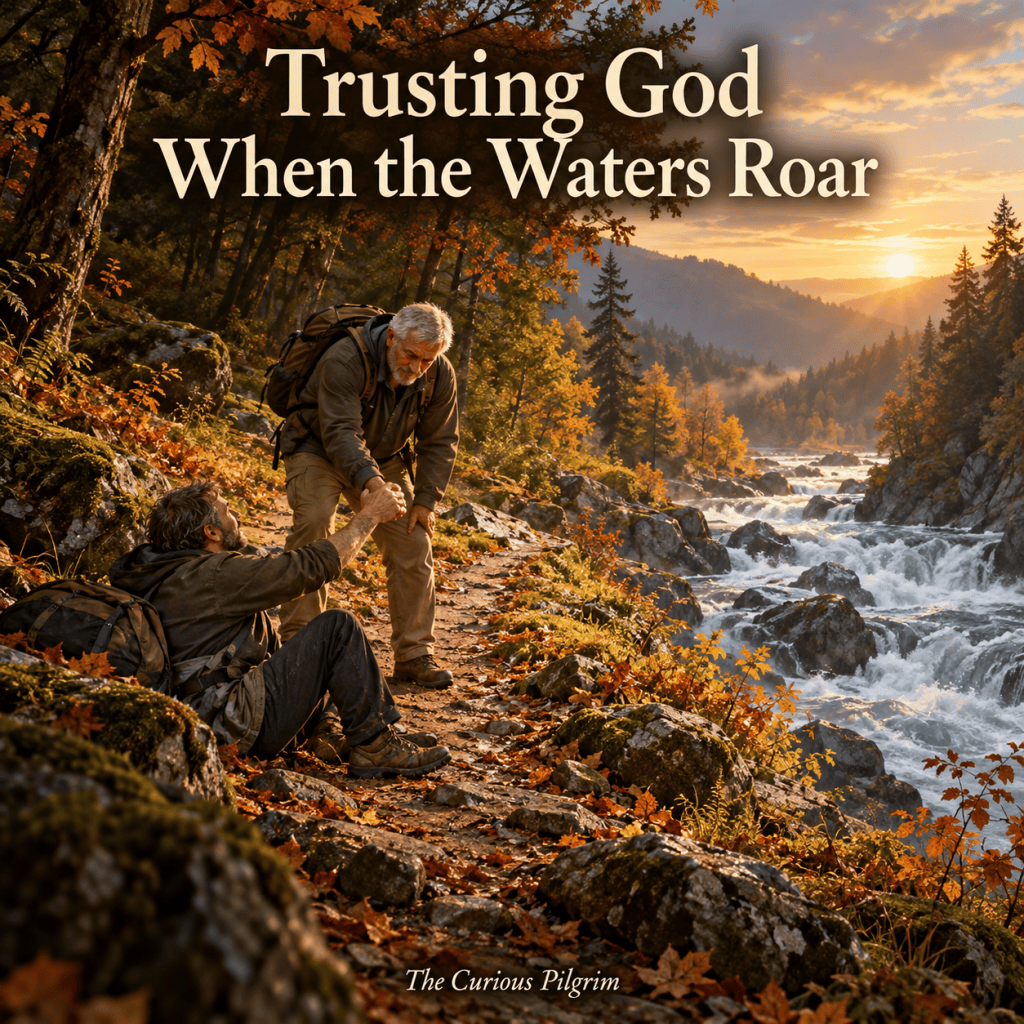
I know something about walking through the valley of the shadow of death and feeling overwhelmed by roaring waters. From there, trusting God becomes a prayer spoken with a trembling voice: “Lord, help me see the next step.”
Sirach brings the question of pride into this struggle. There is a kind of pride that makes correction feel like a threat. It becomes difficult to listen because we have invested so much in being right, respected, or in control.
Humility makes room for a different response: “I may have misunderstood. I need help. I have something to learn.”
I am learning that humility includes accepting both my dignity and my limitations. I have gifts to offer, and I need the gifts of others. I can accept responsibility for my actions without condemning my whole life. I can set a boundary and still treat another person with respect.
The frightening imagery in Revelation reminds me how destructive evil can become. Even in that vision, destruction has limits. As I sit with the passage, I find myself asking what shapes my own allegiance. What am I willing to excuse because it protects my comfort, supports my side, or helps me feel secure?
We can become accustomed to cruelty. We can justify resentment. We can use religious words while overlooking the suffering of an actual person.
Then Jesus tells the story of a man lying wounded beside the road.
The lawyer knows the commandment to love God and love his neighbor. His question is, “Who is my neighbor?” Jesus tells a story that asks him to consider what it means to become a neighbor.
The Samaritan sees the wounded man, comes near, and cares for him. His compassion takes time, effort, and money. He allows another person’s need to interrupt his plans.
I wonder how often I have been so occupied with what I thought I was supposed to do that I missed someone who needed my attention. I also remember that sometimes I have been the person beside the road, needing someone to stop.
Receiving mercy can teach us how to offer it.
These readings bring me back to the practice of the Jesus Prayer:
Lord Jesus Christ, have mercy on me.
I pray it because I need help with the distance between what I believe and how I live.
Teach me to see with compassion.
Teach me to listen with wisdom.
Teach me to speak with love.
Teach me to discern what is true and loving.
Sometimes that prayer helps me pause before answering. Sometimes it helps me recognize the fear beneath my anger. Sometimes it gives me courage to apologize, ask for help, or hold a necessary boundary.
The waters may still roar. The next step may still be difficult. Yet, over time, I can see that grace is changing how I respond.
Today, I can bring God my fear and uncertainty. I can remain open to correction. I can notice the person before me and do the good within my reach.
Lord Jesus Christ, meet us in the places where we struggle. Give us humility to receive your mercy and courage to act upon it. When the waters roar, help us trust your presence. Open our eyes to the wounded beside the road, and open our hearts when we need someone to care for us. Amen.
—The Curious Pilgrim
Daily Office readings: Psalm 37; Sirach 10:1–18; Revelation 9:1–12; Luke 10:25–37.


Leave a Reply