
Daily Office Readings for Saturday, September 26, 2026
Psalms 107, 108, and 33; Hosea 11:1–9; Acts 22:17–29; Luke 6:27–38
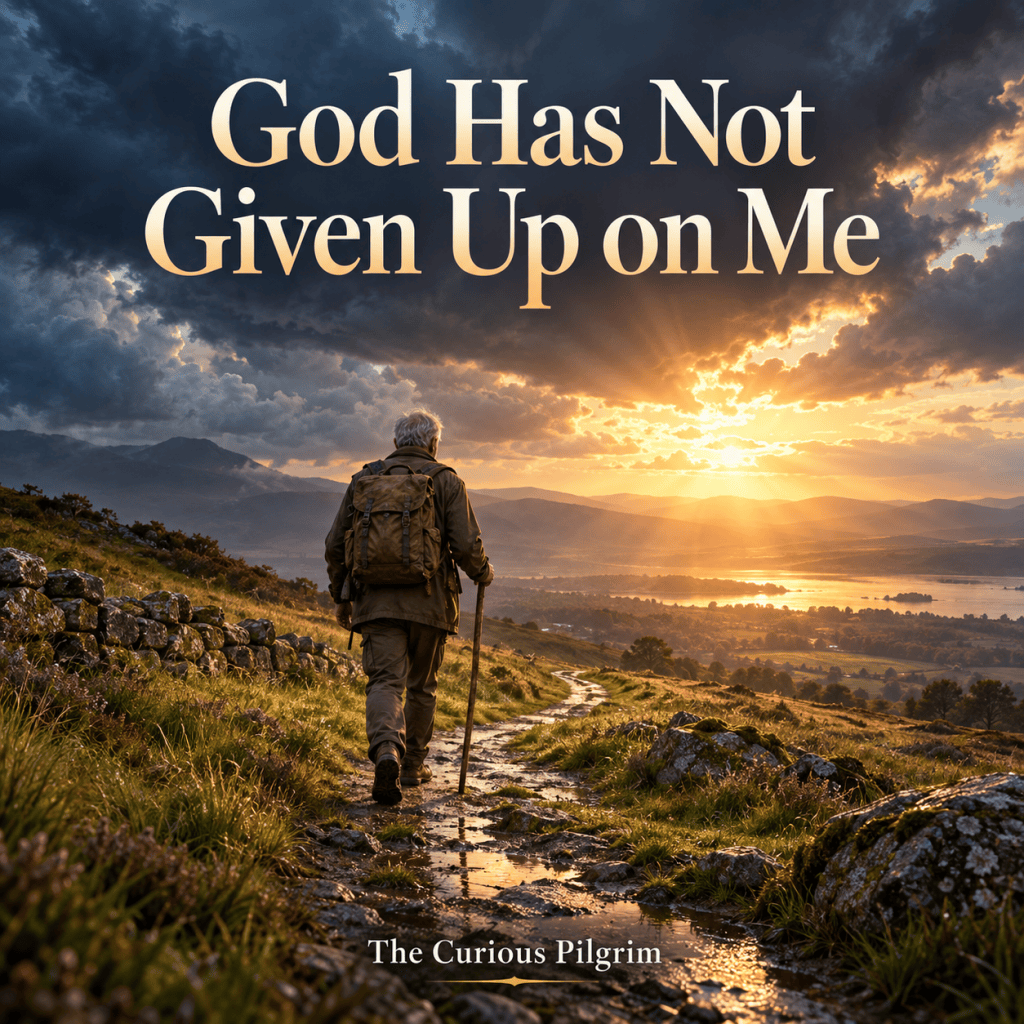
Life is filled with challenges.
Some arise from choices I have made. Others come from decisions made by people whose lives touch mine. Still others simply happen because illness, loss, disappointment, and uncertainty are part of living in this world.
The Sacred Writings do not promise me a life without trouble. Instead, they offer principles for living and introduce me to people who encountered God within their struggles. Jacob, David, Jonah, Paul, and many others remind me that God uses imperfect people like me to bring about change and transformation.
Their stories assure me that failure does not have to be the final chapter.
Psalm 108 declares that human help is unreliable, but God remains faithful. Parts of this psalm also appear in Psalms 57 and 60, where praise and prayer become ways of seeking God’s help. The psalmist does not deny the danger or pretend that everything is all right. He chooses to praise God while still asking for help.
I understand that.
When I am having a down day or feeling low, I often turn to praise music, prayer, and Scripture. As I listen, pray, and read, I begin to find peace. I do not always receive immediate deliverance from whatever I am facing, but I receive faith and hope. My circumstances may not change, but something begins to change within me. Fear loosens its hold, and I gain the insight and strength I need for the next step.
Psalm 33 reminds me that power, strength, and carefully made human plans cannot ultimately save me. My hope rests in the steadfast love of God:
“Let your loving-kindness, O Lord, be upon us,
as we have put our trust in you.”
Psalm 107 repeatedly tells the redeemed to give thanks because God’s mercy endures forever. It remembers people who wandered, suffered, rebelled, became lost, and faced storms they could not control. Again and again, they cried to the Lord in their trouble, and God met them there.
That does not mean God prevented every hardship. It means God did not abandon them in the middle of it.
God brought redemption, change, healing, and restoration. Their wounds and failures did not place them beyond the reach of God’s love.
Hosea 11 gives us one of the most tender pictures of that love in the Sacred Writings. God speaks of Israel as a beloved child:
“When Israel was a child, I loved him,
and out of Egypt I called my son.”
God remembers teaching Israel to walk, holding the child in loving arms, and bending down to feed him. Yet Israel continually turns away. The people forget the One who delivered them and pursue other gods.
God responds like a brokenhearted parent:
“How can I give you up, Ephraim?
How can I hand you over, O Israel?”
This is not the voice of a distant judge eagerly waiting to punish. It is the cry of wounded love. God sees the rebellion clearly, but mercy rises from the depths of God’s heart.
“I will not execute my fierce anger,” God declares, “for I am God and no mortal.”
God has not given up on Israel.
God has not given up on me.
Faith opens the door to God’s love. God’s love then teaches me how to love and how to be loved. It reveals the places within me that still need healing and transformation. This change does not happen all at once. Transformation takes a lifetime.
In Acts 22, Paul tells the people about an experience he had while praying in the Temple. God warned him that the people of Jerusalem would not accept his testimony and sent him to minister among the Gentiles.
Paul followed that calling, but obedience did not protect him from rejection, violence, or imprisonment. When the Roman commander prepared to have him flogged, Paul spoke up and revealed that he was a Roman citizen. The authorities stopped what they were doing because they had no legal right to treat a Roman citizen that way without a trial.
Trusting God did not mean that Paul had to remain silent while others mistreated him. He prayed and listened for God’s direction, but he also spoke the truth and used the protections available to him.
That is important for me to remember. Loving others does not require me to pretend that harmful behavior is acceptable. Mercy and healthy boundaries can live together. I can forgive without placing myself back into a situation where I will continue to be harmed. I can love someone while still speaking the truth.
Jesus takes us even deeper in Luke 6:
“Love your enemies, do good to those who hate you, bless those who curse you, pray for those who abuse you.”
These are among the most challenging words Jesus ever spoke. Jesus asks me to respond to hatred with love, hostility with kindness, and mistreatment with prayer. He tells me to treat others as I would want them to treat me. He calls me to be merciful because God is merciful.
Jesus is not asking me to call evil good or to pretend that wounds do not hurt. He is asking me not to allow another person’s hatred to decide what grows within my heart.
If I answer hatred with hatred, the person who wounded me continues to shape me. But when I bring my pain to God, divine love begins transforming it. I may still need boundaries. I may still need to seek justice. I may still need to walk away. But I do not have to surrender my heart to bitterness, revenge, or condemnation.
God’s mercy toward me becomes the source of the mercy I offer others.
I cannot love this way through determination alone. I need the breath of God continually filling me with love. I need prayer, worship, Scripture, community, and grace. I need to remember how patiently God has loved me through my own failures, wandering, and poor decisions.
Life will continue to bring challenges. Some will result from my choices, some from the choices of others, and some from events beyond anyone’s control. I may not always experience immediate deliverance, but I can trust the God who remains present in every storm.
God has not given up on me.
God is still redeeming my story, healing what is wounded, and teaching me how to love. As I receive that love, I can become more merciful, more compassionate, and more faithful in my relationships with God, myself, my neighbors, and all creation.
Transformation takes a lifetime. Thankfully, God’s faithful love lasts even longer.
Let us pray:
Lord Jesus Christ,
when life becomes difficult, remind me that I am not alone.
When human help fails, teach me to trust in your faithfulness.
When I feel unworthy, remind me that you have not given up on me.
Heal what is wounded within me.
Give me wisdom to establish healthy boundaries,
courage to speak the truth,
and grace to forgive.
Teach me to love those who are difficult to love,
to bless rather than curse,
to pray rather than condemn,
and to show others the mercy you continually show me.
Breathe your love into me
until my heart reflects your heart
and my life reveals your mysterious grace.
Amen.


Leave a comment